


Domestic Plug
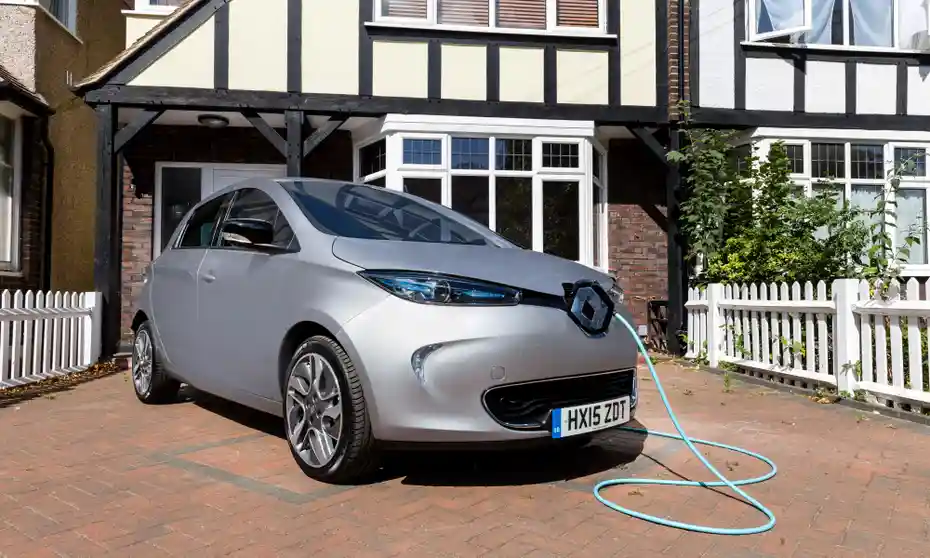
For about £150, you can buy a lead that allows you to charge your Electric Car from a simple 3 pin socket, like everyone already has in their home.
Advantages
The benefit of this is that you can charge your car at home without having to have a charge point fitted. If you are able to sign up for an electric car tariff with your electricity or gas provider, you will also be able to make use of this even with this charging method.
Disadvantages
If you don’t have a plug on the outside of your house or inside your garage, after a while this may be something you look at investing in, because plugging a wire in through a downstairs window is guaranteed to wake up in the morning as an icicle. Also, a domestic socket is only capable of drawing 3kW of energy, so you will find it could take 20+ hours to charge your car. Chances are, unless you run your range down to 0% every single day you won’t experience this very often, but still, this can be quite inconvenient at times.
Annual Cost
Providing you were getting peak efficiency from a Hyundai Kona EV 64kWh and you could charge using the Octopus Go Electric tariff, it would cost £310 a year to run an electric vehicle using this method, including the set up costs, spread out for 3 years.
Home Charging Point
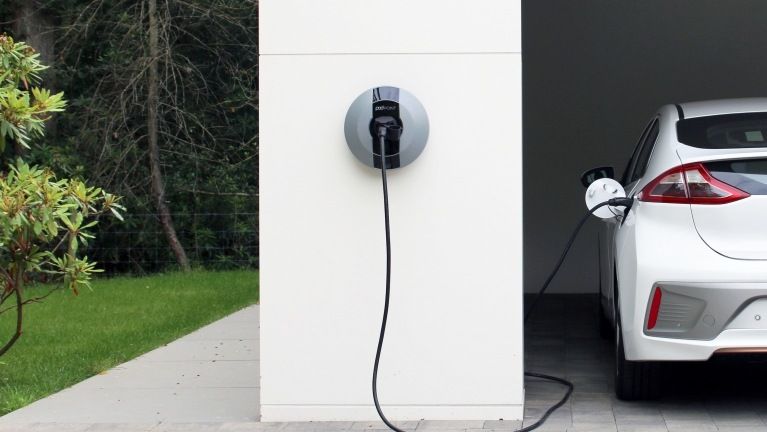
Now that the government grant has ended, you are looking at anywhere between £800 to £2,000 to have one installed.
Advantages
Having a home charging point basically takes all the negatives of a domestic plug and counteracts them. It’s outside, so you don’t have to worry about being cold, it takes 7kW of power, which means that at worst, it is going to take 8 hours to charge your Electric Car from 0-100%, which is how long you should really be getting whilst you sleep. Also, most Home charging points have dedicated applications that allow you to schedule a charge which means that if you have a cheaper overnight tariff, you can plug in and the charger will only take power during this time.
Disadvantages
This is clearly more expensive than a domestic socket, however it is still competitive compared to other methods. For example, to comfortably use a domestic socket to charge your Electric Car, it could cost up to £400, to buy the appropriate charge lead, and have an outdoor socket fitted if you don’t already have one. When you consider all the additional benefits and functionality of a home charging point, arguably the cost is justified.
Annual Cost
Providing you were getting peak efficiency from a Hyundai Kona EV 64kWh and you could charge using the Octopus Go electric tariff, it would cost £443 a year to run an electric vehicle using this method, including the set up costs, spread out for 3 years.
Free Public Charging Points
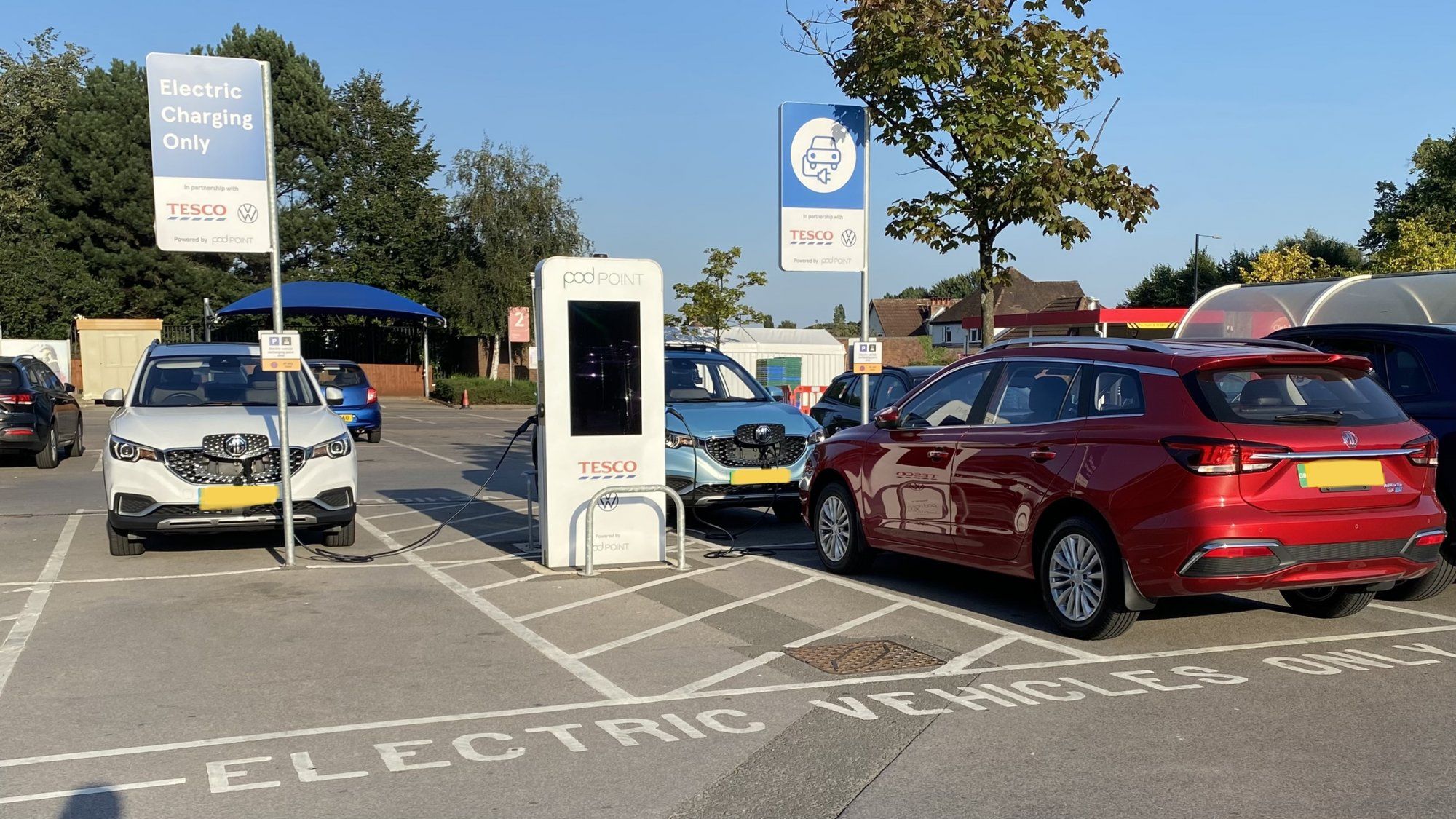 Many supermarkets have partnered with public charging point companies to provide posts that are free to use for customers whilst they shop.
Advantages
They are free, so the only expense here is time. The location of these charging points often mean that you can go to the supermarket, go to other shops nearby, go to eat, whilst charging your car for free.
Disadvantages
These free charging points generally charge no faster than 22kW, which means it could take up to 6 hours to charge your car, so you either have to shop slowly, or go to as many shops close-by as possible. This means you are likely to spend a lot more on shopping than you would usually, which arguably could question the economics of doing this on a regular basis.
Annual Cost
Providing you were getting peak efficiency from a Hyundai Kona EV 64kWh and you could charge using exclusively free charge points, and you had to do an extended shop twice a week, the annual cost would be £1,300, assuming that you spent an extra £25 on your shopping or on a meal out whilst you wait for your car to charge.
Public Fast Charger
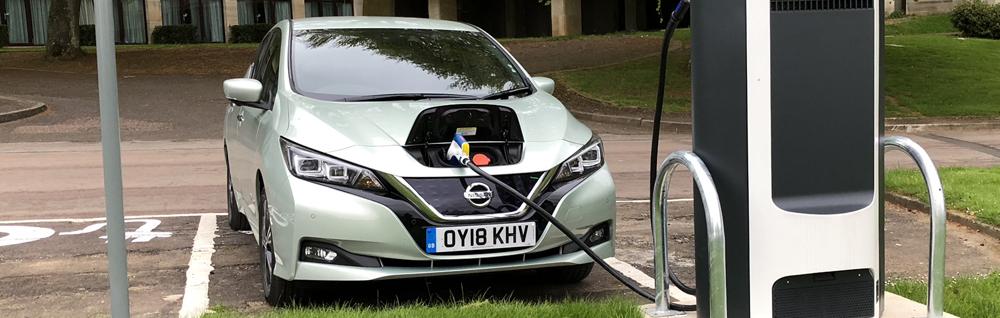
There are now more public fast charging points than there is in the UK, and the government is going to invest even more money into expanding this going forward.
Advantages
If you don’t have the facility to charge at home, this is arguably the most convenient method of public charging. Most cars can charge to 80% using these in anywhere between 30 and 60 minutes depending on the model. This means that if you can find one close to a coffee shop, or supermarket, you can incorporate it into your weekly routine.
Disadvantages
Without a doubt this is the most expensive way you can charge your car, a lot of companies are charging between 40-50p per kWh, meaning you could easily pay up to £30 to charge, making it a similar cost to running a petrol car. Relying on public infrastructure puts your fate in someone else’s hands, and if you live in a town where you only have the option of using one or two charge points, if one breaks, it could very easily effect your ability to use your car.
Annual Cost
Providing you were getting peak efficiency from a Hyundai Kona EV 64kWh and you could charge using exclusively public charge points, the annual cost would be £888.
Verdict
Taking into account all factors, cost, ease of use and convenience, we would recommend that if you have off street parking, a home charging point is easily the best option to charge your electric vehicle. Although it isn’t the cheapest, it guarantees you that your car always has more than sufficient range at all times, and that you won’t wake up in the morning with hyperthermia.
Find out more about electric car ownership
